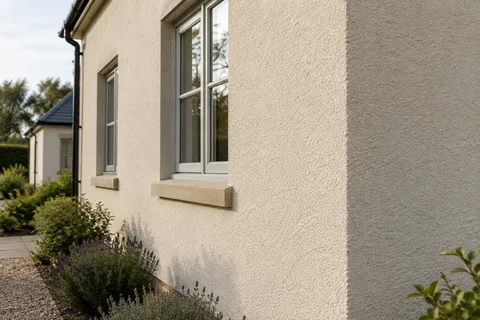
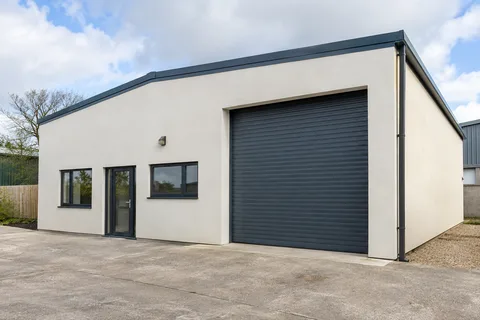
Change the colour on a suitable surface
Render respraying in Macclesfield | Exterior colour change
If the render is sound and the main concern is its colour or uneven weathering, replacing the whole finish may be unnecessary. A compatible decorative coating can be worth considering. For a Macclesfield colour-change project, the work begins with the surface already on the wall: what it is, whether it is firmly attached and what has caused any staining. The new colour comes after those questions, because paint cannot make a defective background serviceable.

On this page
Establish whether this is a coating job
Look separately at appearance and physical condition. A faded but well-bonded finish presents a different problem from peeling paint over loose render. If several old coatings are present, the proposed treatment must account for those layers rather than assume the new product bonds directly to the original render. Manufacturer guidance for the selected coating should support the preparation and compatibility decision.
A local render repair may be needed before any broader colour change. Where the original finish is extensively unsound, a replacement wall rendering project may be more appropriate. The value of a survey is in distinguishing these situations. A quotation that simply lists a colour and a number of coats cannot explain whether it addresses the condition you actually have.
- Clean Washed down, with algae and mould treated and left to work.
- Repair first Cracks and hollow patches are repaired before any coating.
- Prime or stabilise Where the coating maker requires it on that surface.
- Coating Usually two coats of a breathable masonry or silicone coating.
The usual order of work. The survey and the chosen products decide the actual steps.
Find out why the marks appeared
Staining below a gutter, beside a downpipe or beneath a sill can point towards concentrated wetting. That does not establish the cause from a photograph alone, but it helps direct inspection. If an overflow or leak remains, a fresh decorative surface may soon be marked again. The relevant rainwater detail should be dealt with before deciding that coating is the answer.
Surface growth, dirt and deposits also need an appropriate cleaning approach. An aggressive method can damage a texture or force water where it is not wanted. The contractor should select a method suited to the substrate and the coating requirements, with trials where necessary. This is not a reason for homeowners to experiment with chemicals or high-pressure cleaning on uncertain surfaces.
Compare the preparation as carefully as the paint
Preparation can include cleaning, treatment of weak existing coatings and repairs, but these are not identical tasks. Separate them in the quotation so you can see which defects are being corrected and which assumptions remain. If the assessment cannot establish an existing product, the proposed compatibility checks should be explained before broad application begins.
The specification should identify the actual coating and any associated primer, not merely a generic description such as exterior paint. This is particularly important on textured systems and traditional masonry. For a lime-rendered wall, the finish must suit the complete construction; the lime rendering page explains why a breathable marketing description alone is insufficient evidence of compatibility.
| Item | What it covers |
|---|---|
| Cleaning | Removal of relevant contamination by an appropriate method |
| Repairs | Defective render or junctions that require separate work |
| Preparation | Treatment needed for the selected coating to adhere |
| Decoration | Named primer and coating, colour and application method |
Make the colour decision on the building
A colour can look markedly different beside a dark frame, warm brick or pale stone. Prepare samples in a place that represents the completed elevation, rather than choosing solely from an indoor chart. Review them when dry and under more than one light condition. If the building has different textures, sample each relevant surface: the same coating can appear different as the grain changes the light and shadow.
Record the approved colour reference and the sample location. Where separate elevations will be completed at different times, establish how materials and batches will be managed. Do not assume that a later purchase with a similar name is an exact match. The purpose of the reference is to keep the choice identifiable throughout the work and useful for future maintenance. Retain any written approval alongside the specification, particularly when several owners or a managing agent are involved in the decision.
Protect what should remain uncoated
Windows, roof coverings, vents, stone details and adjoining property need a clear protection plan. Sprayed application brings particular containment considerations, while brush or roller work also requires careful edge control. Weather and the surrounding setting influence the method. A narrow gap beside parked vehicles or a busy entrance cannot be treated like an empty, open working area.
Define the boundary of the colour change. Does it include recessed reveals, plinths and returns? Are pipes and other fittings excluded or being treated separately with appropriate products? A small annotated photograph can settle these points more effectively than a broad promise to paint the exterior. On commercial premises, the plan must also account for people entering the building and for normal operating activities.


A new colour brings a maintenance record, not a reset button
Keep the product, colour and preparation information at handover. It should be clear which areas were repaired and which were only cleaned and coated. This matters when a future patch is needed or another coating is proposed. Applying successive products without knowing the existing layers makes the next assessment harder and may limit appropriate options.
If you are comparing recoating with a new silicone render system, remember that they are different scopes. A decorative coating works with a suitable existing finish; a new system may involve substantial preparation and a new basecoat. The best choice depends on condition and the intended result. A well-defined colour-change contract can be a proportionate project, provided it does not conceal work that the wall still needs.
Common questions
Does respraying repair cracked render?
A colour coating is not a substitute for investigating and repairing defective render. Some products have particular technical properties, but those must not be treated as permission to cover an unresolved crack. The repair scope and coating scope should be identified separately.
Must the coating be sprayed rather than rolled?
No. The appropriate application method depends on the product, surface and working conditions. The term respray is often used loosely for an exterior colour change. A quotation should name the actual method and explain protection, access and finishing requirements rather than promise spraying regardless of the setting.
See housing and planning information for Macclesfield and nearby places, including the source and geography behind each figure.